Emergency Gutter Repair: What to Do When Storms Strike
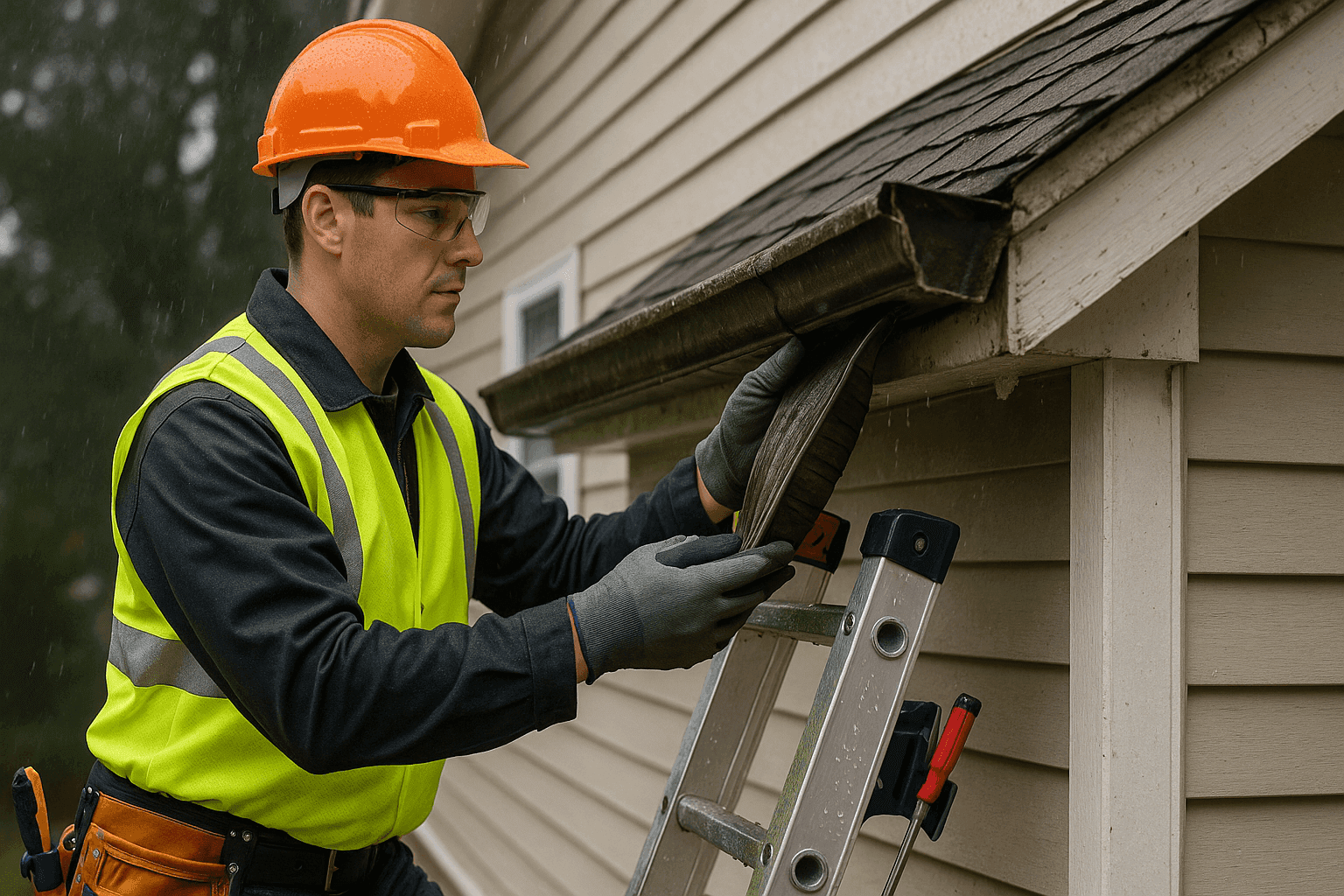
When the sky opens up and the wind howls, your home or business feels the brunt of nature’s force. Gutters—those unsung heroes along your roofline—are often first in line for storm damage. It’s not just about keeping up appearances; damaged gutters can quickly lead to water damage, expensive repairs, and a whole lot of stress.
At Gutter Solutions HQ, we know how overwhelming it feels to spot a broken gutter or a detached downspout after a storm. Here’s a practical, step-by-step guide to help you act fast, stay safe, and protect your property until professional help arrives.
Assessing Gutter Damage After a Storm 🌧️
Storms test the strength of any gutter system. Once the weather clears and it’s safe to step outside, start with a careful inspection. Here’s what to look for:
- Detached or hanging sections: Are any parts of the gutter sagging, loose, or ripped away from the fascia?
- Obvious blockages: Leaves, branches, or debris stuck in the gutter can stop water from flowing and cause overflows.
- Water overflow marks: Look for areas where water has spilled over the edge, which may leave mud splatters or streaks on siding.
- Visible leaks: Check for water dripping from seams, joints, or the bottom of the gutter during or after rain.
- Damaged downspouts: Are downspouts bent, cracked, or completely detached? Is water pooling around your foundation?
- Roof edge or fascia damage: Peeling paint, soft wood, or signs of rot may point to water behind the gutter.
- Ice dams or heavy snow: In cold regions, heavy accumulations can pull gutters loose or create leaks.
If you notice any of these warning signs, don’t ignore them. Even small issues can quickly spiral into water damage inside your home, ruined landscaping, or foundation problems.
Temporary Fixes to Prevent Further Damage
You don’t need to be a pro to take a few safe, simple steps that minimize risk until help arrives. Think of these as patching a tire until you reach a mechanic.
- Clear large debris: If you can safely reach the gutter, gently remove leaves, twigs, and blockages by hand or with a plastic scoop.
- Reposition loose gutter sections: For minor detachments, use a wire or heavy-duty zip tie to temporarily secure the gutter to the fascia.
- Cover obvious holes: Apply waterproof tape or a flexible sealant on small leaks or cracks if the surface is dry.
- Direct water away from foundation: Use a flexible downspout extension, splash block, or even a piece of plywood to channel runoff away from your property.
- Contain leaks indoors: Place buckets or towels under ceiling leaks to prevent interior water damage.
Note: These are short-term fixes. They won’t hold up against another storm or heavy rainfall. For lasting repairs, you’ll need Downspout Repair near you from a trained gutter professional.
Safety Precautions
Before climbing a ladder or handling tools, take these safety steps seriously:
- Wait for clear weather: Never inspect gutters during a storm or when the roof is wet and slippery.
- Use a sturdy ladder: Place it on level ground, and always have someone spot you if possible.
- Watch for electrical hazards: Stay away from gutters near downed power lines, exposed wires, or electrical boxes.
- Wear gloves and eye protection: Debris and sharp gutter edges can cause cuts or injuries.
- Don’t overreach: Move the ladder frequently instead of stretching. Falls from ladders are a top cause of home injuries (per the U.S. Consumer Product Safety Commission).
Your safety is always more important than a quick fix.
When to Seek Emergency Services
Some gutter damage is just too risky or complex for DIY. Call for emergency gutter repair if you notice:
- Detached downspouts: Water pouring next to your foundation can flood basements or erode soil fast.
- Major gutter separation: If large sections have pulled away from the roof or fascia, they may collapse completely.
- Roof edge or fascia damage: Exposure can let water inside your attic or walls.
- Leaks inside your home: Stains on ceilings or walls mean water is already bypassing your gutter system.
- Gutter blockages causing severe overflow: If water is pouring over the sides or backing up under shingles, the risk of water damage is high.
- Ice dams threatening structural damage: In winter, ice can tear off gutters or damage roofing.
If in doubt, call in professionals. Gutter Solutions HQ is equipped for emergency gutter repairs, Downspout Repair, and quick response after storms—helping you avoid bigger headaches down the road.
How Professionals Handle Emergency Gutter Repairs
When you contact a service like Gutter Solutions HQ for urgent help, here’s what happens next:
- Fast on-site assessment: Trained technicians inspect gutters, downspouts, and roof edges for hidden and obvious damage.
- Temporary stabilization: Securing loose sections, removing dangerous debris, and channeling water away from the building.
- Spot repairs: Sealing leaks, reconnecting downspouts, and replacing missing hardware (like gutter hangers) to prevent further damage.
- Detailed recommendations: Clear plan for permanent repairs, replacement, or upgrades—especially for aging, rusted, or poorly pitched gutters.
Licensed pros follow Occupational Safety and Health Administration (OSHA) guidelines for ladder safety, fall protection, and electrical hazards. They also know local building codes and how to spot issues you might miss.
Prevention and Maintenance: Your Best Defense
While you can’t stop every storm, you can prepare your gutters to weather the worst:
- Regular gutter cleaning: Schedule twice yearly (spring and fall) or more often if you have overhanging trees.
- Install gutter guards: These reduce clogging from leaves and debris, saving you time and hassle.
- Annual inspections: Professional checks catch issues before they escalate.
- Slope and hanger checks: Gutters should slope slightly toward the downspout; loose hangers can lead to sagging or collapse.
- Upgrade materials: Aluminum, steel, and copper gutters resist damage better than older vinyl or rust-prone models.
- Roof edge protection and flashing: Prevents water from sneaking behind gutters and damaging fascia or soffits.
- Downspout extensions: Direct water at least 3–6 feet from your foundation.
For more on safe maintenance, reference the National Roofing Contractors Association (NRCA) guidelines.
Costs & Time Factors: What to Expect
Emergency gutter repairs can vary widely depending on the extent of the damage, materials involved, and accessibility:
- Minor repairs: Small leaks or re-securing loose sections may be fixed quickly.
- Major issues: Replacing downspouts, sections of gutter, or repairing fascia/soffit can take longer and require specialized parts.
- Material type: Copper and steel gutters often cost more to repair than aluminum or vinyl.
- Commercial vs. residential: Larger buildings or complex rooflines increase both time and costs.
Most emergency repairs are completed within a day, but severe cases (such as collapsed gutters or extensive water damage) can require multiple visits.
When It’s an Emergency
How do you know if your gutter issue can wait?
It’s an emergency if:
- Water is actively entering your home or business interior.
- Gutters or downspouts are dangling dangerously or have fallen.
- Storm debris is blocking water flow, creating rapid overflow.
- There are visible sparks, exposed wires, or downed power lines near the gutter system (call your utility company first).
Don’t risk injury or bigger, costlier repairs by waiting. Fast action limits damage and keeps your property safe.
FAQ: Emergency Gutter Repair
How soon should I inspect gutters after a storm?
As soon as it’s safe—ideally within 24 hours. Quick checks catch problems before they worsen.
Can I repair gutters myself?
Small debris removal and temporary taping are okay, but avoid major repairs unless you have the right tools and experience.
What if I can’t reach a damaged section?
Don’t climb risky heights. Call for Downspout Repair near you from licensed professionals.
Will insurance cover storm-damaged gutters?
It depends on your policy. Document all damage with photos and contact your insurer.
Local and Seasonal Considerations
Storm patterns and gutter threats change with the seasons:
- Spring/Summer: Heavy rains and high winds cause blockages and physical damage from falling branches.
- Autumn: Leaves and debris quickly clog gutters, especially in wooded areas.
- Winter: Snow and ice create ice dams and add extra weight that can pull gutters away from your home.
- Coastal areas: Salt air may accelerate corrosion, especially for steel and aluminum gutters.
Regular maintenance and seasonal checks help you stay ahead of the weather.
When storms strike, don’t leave your property’s safety to chance. Fast, informed action protects your home, business, and peace of mind.
Call Gutter Solutions HQ now — or reach us anytime at 888-828-8979 .