Gutter Guards 101: Are They Worth It for Your Home or Business?
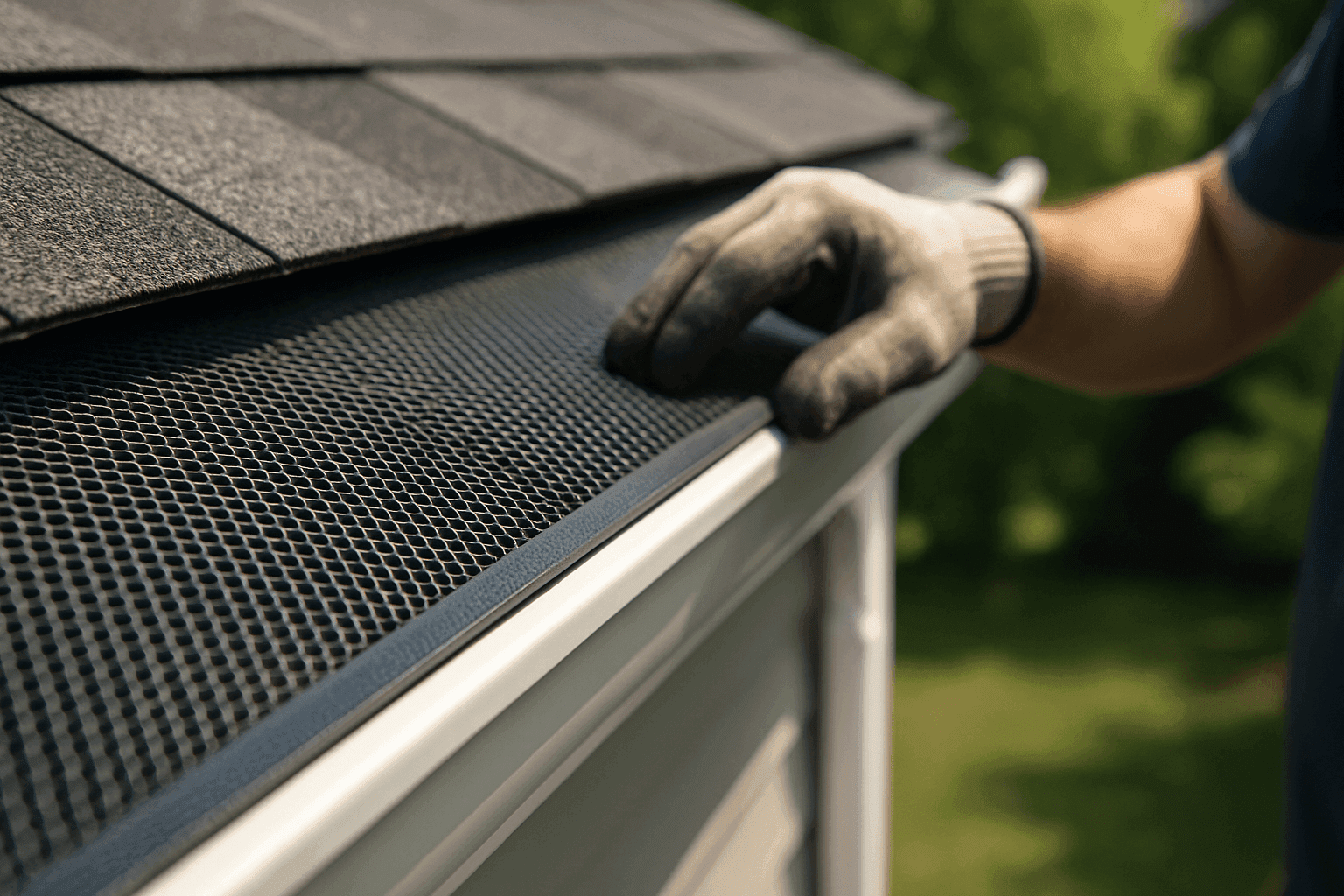
Is cleaning gutters your least favorite chore? You aren’t alone. For both homeowners and business owners, clogged gutters can mean water damage, safety risks, and unexpected repairs. At Gutter Solutions HQ, we understand how much you want to avoid these headaches—without wasting money on solutions that don’t deliver.
But are gutter guards the answer, or just another add-on? Let’s cut through the noise and get to the truth.
What Are Gutter Guards? 🏡
Gutter guards are protective covers or inserts designed to keep debris out while letting rainwater flow through your gutters. Think of them as a sieve for your roof—catching the leaves, twigs, and grit so your gutters can do their job.
Main Types of Gutter Guards
- Mesh Guards: Fine metal screens that fit over the gutter. They block most debris but let water pass. These are popular for their balance of performance and price.
- Foam Inserts: Shaped like long sponges, these sit inside the gutter channel and let water through while blocking debris. Easy to install, but can break down over time.
- Reverse Curve (Surface Tension) Guards: These have a curved edge that guides water into the gutter while leaves and debris slide off. They’re visible from the ground and require precise installation.
- Brush Guards: Imagine a long, bottle-brush filling the gutter channel. Debris gets stuck on top, water flows underneath. Simple idea, but not ideal for heavy leaf fall.
Each type comes with its own strengths and weaknesses. The right choice depends on your roof style, local tree cover, and budget.
Pros and Cons of Installing Gutter Guards
Gutter guards sound like a win-win, but real-world results are more nuanced.
The Upside
- Less Cleaning: Guards can reduce how often you need to scoop out leaves and gunk. For most, this means going from several cleanings a year to just one.
- Water Flow: Guards help maintain clear gutters, which means water flows where it should—into the downspout, not onto your foundation.
- Safety: Fewer trips up the ladder. That’s less chance of slips, falls, and other accidents.
The Downside
- Not Maintenance-Free: No guard is perfect. Small debris, pine needles, and shingle grit can still build up over time.
- Installation Cost: Professional installation adds to the price. Even DIY options require time and tools.
- Potential Issues: In cold climates, some guards can cause or worsen ice dams by trapping snow. If installed poorly, guards can also cause water to overshoot the gutter or clog at the edges.
- Repairs: Debris can still accumulate on top of guards, and animals may try to nest underneath certain types.
What the Experts Say
Consumer Reports and the International Association of Certified Home Inspectors (InterNACHI) have both tested various gutter guard systems. Their findings? Guards do reduce debris, but none are set-and-forget. Expect to clean and inspect your gutters—just less often.
Suitability for Different Properties
Not every property needs gutter guards. Here’s what to consider:
Residential Homes
- Tree Cover: If your roof sits under heavy trees, guards can be a game-changer—especially during autumn.
- Roof Style: Guards work best on standard shingle roofs with a consistent slope. Complicated rooflines can make installation trickier.
- Gutter Material: Aluminum, steel, copper, and vinyl gutters all work with guards, but installation methods differ.
Commercial Buildings 🏢
- Roof Size: Large, flat commercial roofs tend to collect less leaf debris but more gravel and grit from rooftop equipment.
- Accessibility: Tall buildings might benefit more from guards, as gutter maintenance is riskier and more expensive at height.
- Drainage Needs: Downtime from clogged commercial gutters can mean lost revenue or liability. Guards help, but professional cleaning is still recommended at least annually.
Installation Considerations
So, you’ve weighed the pros and cons. Now, how should you install gutter guards?
Professional vs. DIY
- DIY Installation: Some guards (like foam or brush types) are straightforward for handy homeowners. But mesh and reverse curve systems demand precision.
- Professional Install: Installers have the ladders, safety gear, and know-how to fit guards securely and spot issues like loose fascia or improper gutter slope.
- Warranty: Many manufacturers require professional installation to keep warranties valid.
Long-Term Maintenance
- Annual Inspection: Even the best guards need a yearly check. Look for buildup, sagging, or signs of water overflow.
- Cleaning: Some debris (like pine needles) may still sit on top. A leaf blower or garden hose can do the trick.
- Adjustments: Gutters can shift over time. Pros can check for proper slope and re-secure loose hangers.
The bottom line? Gutter guards reduce, but don’t eliminate, maintenance. Regular upkeep still matters—especially in areas with heavy foliage or severe weather.
Practical Tips for Choosing Gutter Guards
- Match guard type to your local environment (mesh for broadleaf trees, reverse curve for pine).
- Check that the guard fits your existing gutter type (aluminum, steel, vinyl, or copper).
- Avoid “one-size-fits-all” claims. Measure before you buy or hire.
- Consult local building codes and guidelines from organizations like the National Roofing Contractors Association (NRCA).
- For older gutters or fascia, consider professional assessment before installing guards.
What to Expect After Installation
- Less mess, but not zero: You’ll still need to inspect and clear off debris once or twice a year.
- Potential for issues: Watch for water spilling over edges, especially after heavy storms. This can be a sign guards are clogged or misaligned.
- Peace of mind: Most homeowners and business managers report fewer overflow issues and less anxiety about rainstorms.
FAQs
Are gutter guards worth the money?
For many, yes—especially if you have lots of trees or hate cleaning gutters. However, no guard is maintenance-free. Consider your property’s needs and climate.
Will gutter guards stop ice dams?
Not necessarily. In fact, some types can trap snow and make ice dams worse if your attic is poorly insulated. Always address attic ventilation and insulation first.
Can I install gutter guards myself?
Some types, like foam or brush inserts, are DIY-friendly. Others require special tools and expertise—especially on multi-story or commercial buildings.
How often will I need to clean my gutters with guards?
Most properties need a quick inspection and light cleaning once or twice a year, instead of every few months.
Local and Seasonal Considerations 🌦️
- Autumn: Heavy leaf fall means even the best guards can get overwhelmed. Schedule a pre-winter inspection.
- Spring: Look for shingle grit and pollen buildup.
- Winter: Watch for ice along roof edges. If you’re in a snow-prone area, ask about guards rated for ice dam prevention.
- Rainy seasons: Gutters must be clear before major storms. If you notice overflow, check both the guards and downspouts.
The Bottom Line
Gutter guards can make life easier, but they're not a magic fix. They cut down on cleaning, help maintain water flow, and can add peace of mind—especially for busy property owners or those with hard-to-reach gutters. Just remember: regular inspections and occasional cleaning are still part of the package.
If you’re weighing your options or need a professional assessment, Gutter Solutions HQ is here to help with gutter installation, downspout repair, and custom gutter solutions for residential and commercial properties.
Call Gutter Solutions HQ now — or reach us anytime at 888-828-8979 .